Six Decades Of Turning Earth Into Enduring Value
From a State mineral corporation founded in 1963, GMDC has grown into an integrated mining, processing, and energy enterprise serving Gujarat’s industries and communities.
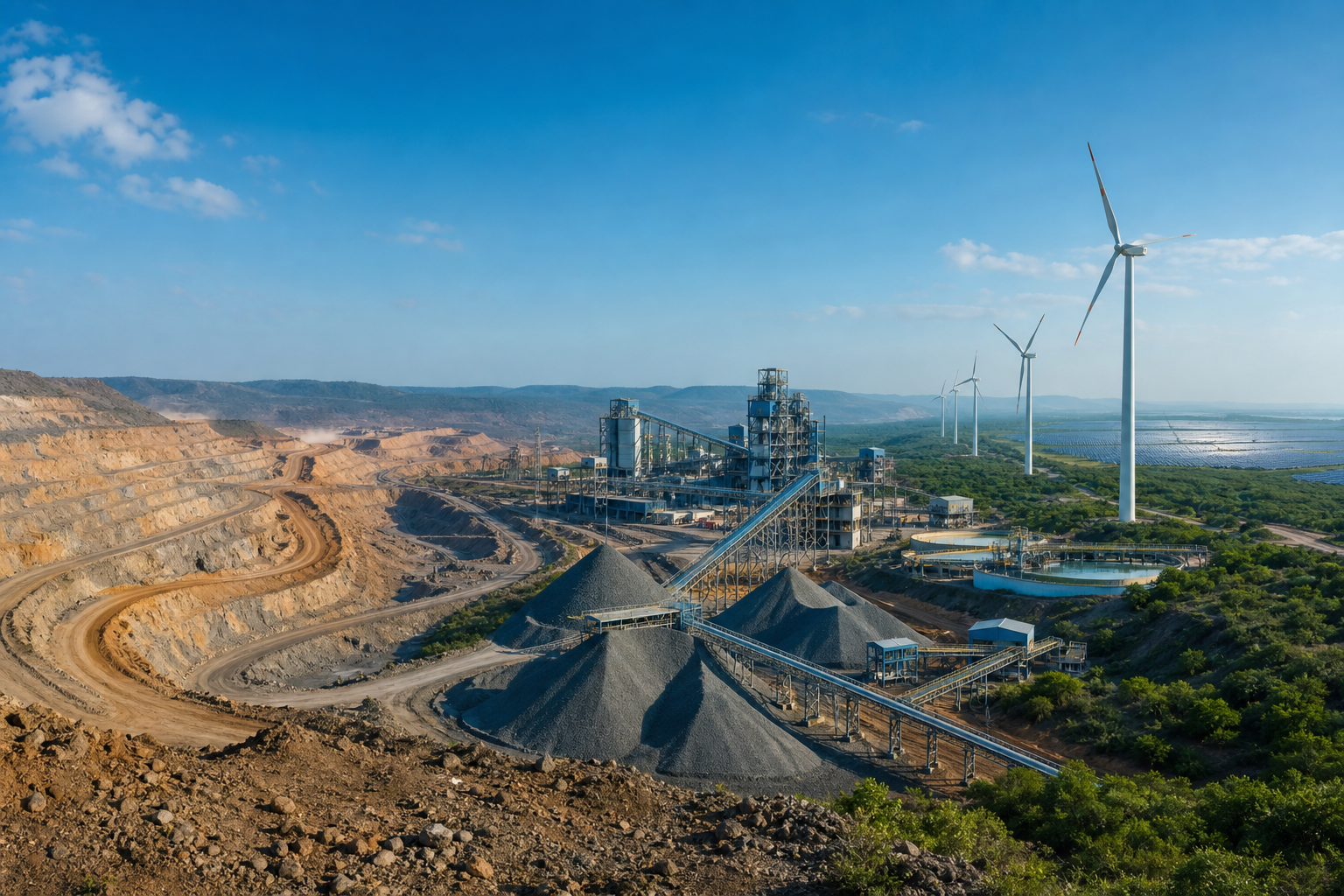
The Corporation’s story is the story of Gujarat’s industrial feedstock. Lignite from Kutch and other belts powered factories that could not rely on distant coalfields alone. Bauxite, fluorspar, limestone, silica sand, bentonite, and ball clay followed — each mine opening a supply line to ceramics, chemicals, cement, and allied industry.
Energy became the next chapter: thermal generation at Akrimota, then wind and solar. Alongside production, GMDC built institutions for research, skill, and social work. The legacy is therefore operational and civic — pits and plants, but also schools of practice and community programmes.
How The Corporation Took Shape
A public enterprise built in stages — mineral security first, then industry supply, then power, then a wider development mandate.
-
1963
A State Corporation Is Born
Gujarat Mineral Development Corporation is incorporated on 15 May 1963 to explore and develop the State’s mineral resources in the public interest.
-
1970s–80s
Lignite Becomes The Backbone
Mining operations, especially lignite in Kutch, establish GMDC as a merchant seller — supplying fuel and feedstock to industries across Gujarat.
-
1990s
A Wider Mineral Portfolio
The Corporation diversifies into industrial minerals and operates as a listed public-sector company, accountable to the Government of Gujarat and to the market.
-
2000s
Energy Joins The Value Chain
Thermal power — including the Akrimota station in Kutch — turns mineral strength into electricity, completing a second pillar beside mining.
-
2010s
Wind, Solar, And Institutions
Renewable capacity grows. Research, training, and social institutions — including iCEM and related centres — extend GMDC’s role beyond the mine gate.
-
Today
An Integrated Resource Enterprise
GMDC works as a full chain: resources, mining, value addition, energy, and development — with a listed PSU’s duty of transparency and a State enterprise’s public purpose.
Built By A Skilled Industrial Workforce
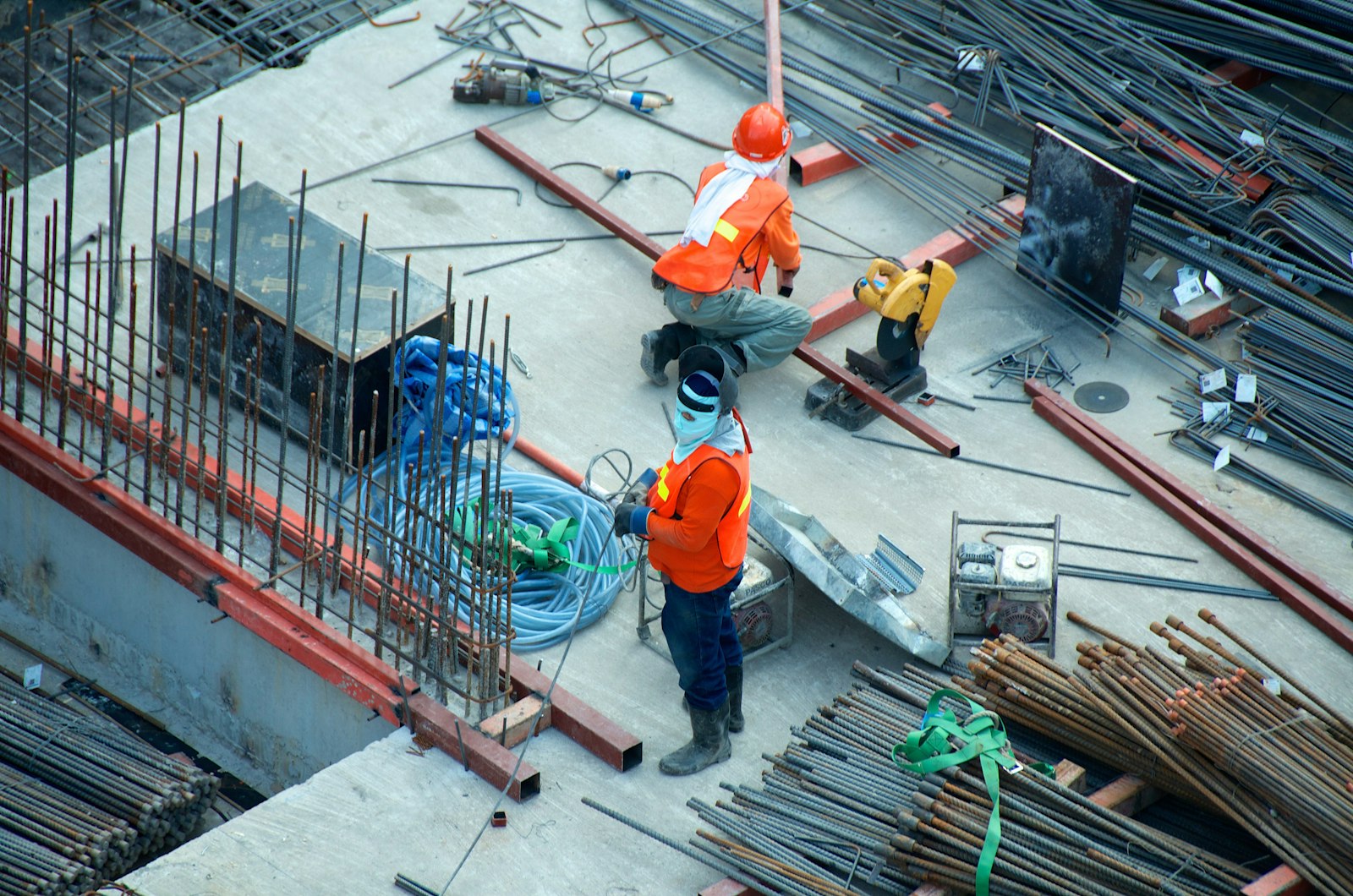
Open-cast mines, beneficiation plants, and power stations are built and run by engineers, geologists, operators, and a large contract and regular workforce. Safety gear, site discipline, and continuous training are part of the operating culture — not an afterthought.
That human capacity is itself a legacy: decades of mining know-how in Gujarat, now being paired with cleaner technology, digital systems, and stricter environmental practice.

A Civic Legacy Around Project Areas
GMDC’s mandate includes the people who live beside its operations. Education, health, livelihoods, and cultural programmes — together with bodies such as GMDCGVT and Krantiteerth — are how a mineral corporation returns value to host districts.
The same public-purpose thread runs through research and excellence centres: mining should leave behind skill, knowledge, and stronger communities, not only depleted pits.

Public Ownership, Market Accountability
GMDC is listed on BSE (532181) and NSE (GMDCLTD). That listing is part of the corporate profile: a Government of Gujarat enterprise that reports to shareholders, regulators, and citizens, not only to its administrative department.
The next chapter of this legacy is geographic as well as financial — operations across Kutch, Devbhoomi Dwarka, Panchmahal, Vadodara, Bhavnagar, Bharuch, Surat, and Chhota Udepur, linking resource belts to industrial demand.
Geographic presence